Water Treatment
Controlling water chemistry to stabilize mineral processing
Water treatment plays a critical role across mining operations by ensuring that process water, recycled water, and discharged water remain fit for purpose. Effective water treatment supports mineral processing efficiency, equipment reliability, water reuse, and regulatory compliance across the site.
This functional area is responsible for managing scale formation, metal ion behavior, microbial growth, and foaming within mining water circuits. These factors directly influence uptime, maintenance intensity, water availability, and downstream performance in processes such as flotation and dewatering.
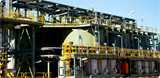
Water treatment challenges are intensifying as mines operate with increasingly closed water circuits, variable water quality, higher dissolved solids, and stricter environmental requirements. As freshwater access becomes more constrained, maintaining consistent water performance under changing chemical and biological conditions has become a core operational priority.
Water treatment performance depends on controlling how dissolved species, suspended solids, and biological activity behave within the system.
Our water treatment solutions focus on four core chemistry functions that enable stable mining operations under demanding conditions. Together, these chemistry functions enable system‑level mining performance by stabilizing water quality, protecting assets, and supporting consistent downstream operation.
Scale formation on heat exchange surfaces, pipelines, and process equipment reduces efficiency and increases maintenance requirements.
Scale‑inhibiting chemistry works by preventing the precipitation and deposition of common mineral scales such as carbonates, sulfates, phosphates, silica, and metal silicates.
By inhibiting crystal growth and dispersing scale‑forming species, scale control chemistry helps:
• Maintain heat transfer efficiency and flow capacity
• Protect equipment surfaces from fouling
• Reduce unplanned downtime and cleaning frequency
Microbial growth and biofilm formation can reduce process efficiency and accelerate corrosion within mining water circuits.
Water treatment chemistry designed to control microbial activity helps maintain clean systems and stable process conditions.
Biological control supports:
• Prevention of microbial growth and biofilm formation in
water circuits
• Improved reliability of pumps, pipelines, and processing
equipment
Dissolved metal ions can contribute to scale formation and corrosion if not properly controlled.
Metal ion control chemistry enables both complexation and precipitation of metals, allowing operators to manage dissolved metals effectively within the process.
These functions support:
• Control and removal of problematic metal ions
• Removal of formed scale
• Precipitation of heavy metals to enable water recycling
or approved discharge
Foam formation can interfere with pumping, level control, flotation, and wastewater handling.
Defoaming and anti‑foaming chemistry destabilizes foam or prevents its formation, ensuring smooth and predictable operation of water‑based processes.
Effective foam control helps:
• Prevent overflow and process interruptions
• Maintain accurate level measurement and pump performance
• Reduce operational variability in water intensive processes
• Effective inhibition and dispersion of common mineral scales
• Controlled complexation/precipitation of dissolved metal ions
• Dose‑effective control of microbial growth and biofilm formation
• Destabilization and prevention of foam
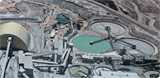
Water treatment is central to water stewardship in mining operations. Effective control of scale, metals, biology, and foam enables higher water reuse rates and supports operation with reduced freshwater intake.
By enabling recycling, controlled discharge, and compliance through chemistry‑based control, water treatment supports regulatory and ESG objectives through measurable operational performance, not through trade‑offs in productivity or recovery.

Discuss your operating conditions with our technical teams. We typically review ore type, water chemistry and process constraints before recommending chemistry functions.
Armeen®, Armoflo®, Armoflote®, Aquamet®, Aquatreat®, Arquad®, Atrac®, Berol®, Celect®, Dissolvine®, Ethylan®, Expancel®, Finnfix®, Lankropol®, Lilaflot® Triameen®, Versa‑TL®, and Versaflex® are registered trademarks of Nouryon in several countries worldwide.