



Find

A preferable bleaching agent for elemental chlorine-free (ECF) bleached chemical wood pulp.

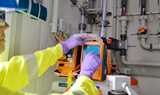
A chlorine dioxide plant produces chlorine dioxide by reducing chlorite or chlorate, both normally supplied as sodium salts, in a sulfuric acid (H2SO4) solution. Several commercially applied reducing agents are available, but methanol (CH3OH) and hydrogen peroxide (H2O2) are preferred because elemental chlorine production is minimized.

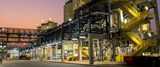
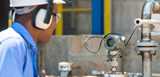
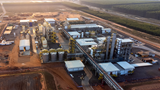
Due to its nature, chlorine dioxide must be produced where it will be used. We offer several best available techniques for its generation, each with their own special features. 

When there is a commercial and technical fit for a particular customer, a Integrated Manufacturing Model (IMM) can be built adjacent to the customer’s facility, integrating sodium chlorate and chlorine dioxide production.

Image of a chlorine dioxide system used for NOx reduction—highlighting Nouryon’s solutions for industrial gas treatment.

Bleaching, oxidizing chemicals and technologies

Sustainable practices in bleaching, oxidizing chemicals and technologies. Learn more about how we support our customers in reaching their sustainability goals.

Pulp bleaching solutions Sustainable practices

Related products and services

Featured applications

Chlorine dioxide safety and productivity boost at Iggesund

How the Nouryon team retrofitted Iggesund’s existing equipment, and helped steadily increase the efficiency of chlorine dioxide production

Learn more

For more information, please contact our experts.

We look forward to hearing from you!

Eka® is a registered trademark of Nouryon in a number of territories worldwide.

We respect your privacy.

We use essential and non-essential cookies to provide, secure, analyze and improve our services. Click 'Agree' to accept or learn more about our Cookie Policy and edit your preferences. 

You can change settings at any time.

Edit