Anticaking
Managing particle interaction to stabilize material handling
Anticaking
Managing particle interaction to stabilize material handling
Anticaking is a post‑treatment stage focused on preventing the formation of lumps or agglomerates in powdered or granulated mining materials during storage, transport, and handling. Many mined and processed materials are hygroscopic, meaning they absorb moisture from the surrounding environment and are prone to caking under pressure, humidity, or temperature variation.
This functional area is responsible for preserving flowability and material consistency from production through logistics and end use. Effective anticaking ensures that materials can be conveyed, metered, blended, and applied without blockages, interruptions, or reprocessing.
Anticaking challenges are intensifying as mining operations handle finer particles, higher throughput volumes, longer storage durations, and more variable environmental conditions. Increased moisture exposure and tighter logistics tolerances make flow reliability a critical operational requirement rather than a downstream convenience.
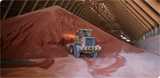
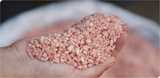
Anticaking performance depends on how particles interact with moisture and with each other at their surfaces. Nouryon’s anticaking solutions focus on surface‑active chemistry that modifies particle surfaces to prevent moisture‑driven adhesion and mechanical bonding.
Through the formation of hydrophobic surface layers and physical barriers between particles, anticaking chemistry enables:
• Reduced moisture adsorption on hygroscopic materials
• Lower interparticle friction and adhesion
• Improved lubrication of granules to reduce abrasion and dusting
• Preservation of free flowing behavior under storage and
handling stress
These chemistry functions are delivered through controlled surface coating of particles, ensuring that anticaking performance is maintained without altering the bulk properties of the material.
Anticaking aids can be applied through a range of established processes, including spray coating, mechanical mixing, conveyor integration, granulation, dusting, and fluidized bed systems.
Proper control of dosage, particle size, mixing intensity, and environmental conditions ensures consistent performance across different materials and operating environments.
By maintaining flowability, anticaking chemistry supports system‑level mining performance, reducing unplanned downtime, minimizing material losses, and protecting downstream handling and processing operations.
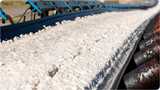
• Coating of minerals
• Bulk storage and long distance transport conditions
• Operations requiring consistent flow behavior for
blending, conveying or application
Effective anticaking contributes to sustainability and safety by reducing the need for reprocessing, mechanical intervention, and material disposal caused by caking or blockages. Improved flowability minimizes dust generation, supporting safer working conditions and cleaner material handling.
By preventing moisture‑induced degradation, anticaking solutions help extend product shelf life and reduce waste, contributing to more efficient resource utilization. Stable, free‑flowing materials also support more predictable downstream operations, reducing energy use associated with corrective handling or reconditioning.
Regulatory and ESG alignment is achieved through operational control and material stability, ensuring products remain within specification throughout storage, transport, and use.
Our technical teams typically review ore type, water chemistry and process constraints before recommending chemistry functions.
Ask for technical assistance here.
Armeen®, Armoflo®, Armoflote®, Aquamet®, Aquatreat®, Arquad®, Atrac®, Berol®, Celect®, Dissolvine®, Ethylan®, Expancel®, Finnfix®, Lankropol®, Lilaflot® Triameen®, Versa‑TL®, and Versaflex® are registered trademarks of Nouryon in several countries worldwide.